On April 28, 2026, the international symposium on "Frontier Technologies for Waste Resource Utilization and Nutrient Management," hosted by the Institute of Resource and Environment, HAAFS, was successfully held, which aiming at gathering wisdom from domestic and international experts to deeply explore the frontier progress and application prospects of hydrothermal carbonization technology in the field of agricultural waste resource utilization and greenhouse gas emission reduction. Experts and scholars from Aarhus University of Denmark, China Agricultural University, and Chengdu Biogas Research Institute of the Ministry of Agriculture and Rural Affairs, as well as more than 20 relevant scientific researchers and graduate students from HAAFS participated in the on-site conference, which was also broadcast live online.
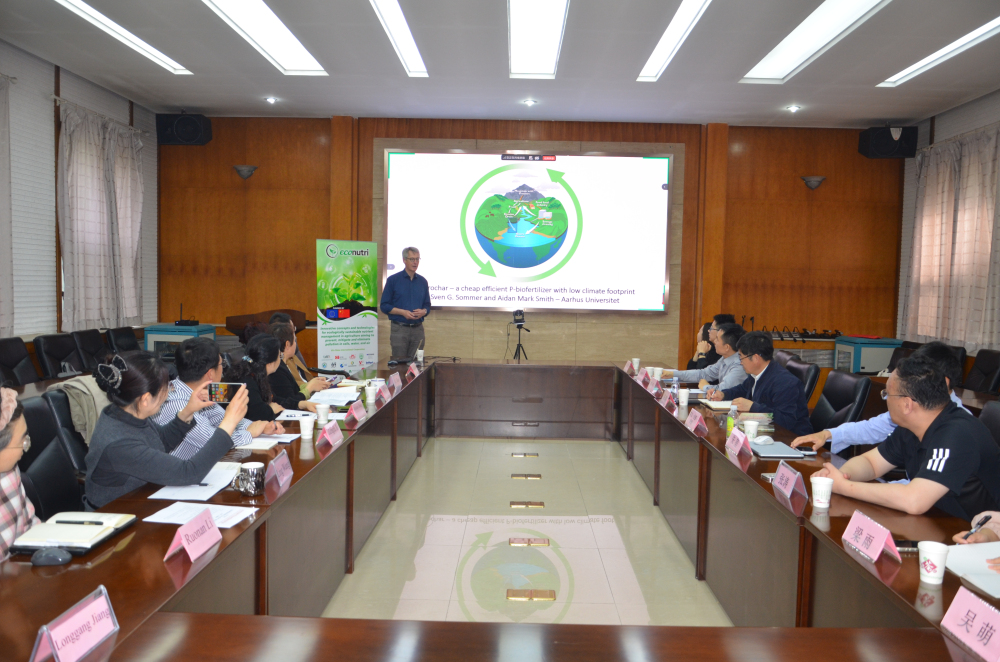
During the symposium, Professor Sven G. Sommer from Aarhus University of Denmark delivered a presentation titled "Hydrochar – a cheap and efficient P-biofertilizer with low climate footprint", systematically introducing his research concept and European practice in developing hydrothermal carbon into low-carbon phosphorus fertilizer. Associate Professor ZHU Kun from China Agricultural University presented report on "Anoxic Microsites at Straw–Soil Interface and Implication for N₂O Emissions", revealing the relationship between straw returning to the field and N₂O emissions from micro-domain processes. Professor CHEN Ming from China Agricultural University introduced the application of biomass-based materials in ecological restoration with the topic of "Biomass-based Materials for Ecological Restoration". Dr. HU Yihuai from Chengdu Biogas Science Research Institute of the Ministry of Agriculture and Rural Affairs shared the research results from international collaboration, titled "Silicon fertilizer increased potato drought tolerance and reduced soil N₂O emissions in two Danish soils at field scale". The participants engaged in thorough questioning and discussion with the experts on key scientific issues such as the physicochemical property regulation of hydrothermal carbon, environmental effects of field application, and full life cycle assessment, creating a strong academic atmosphere on site.
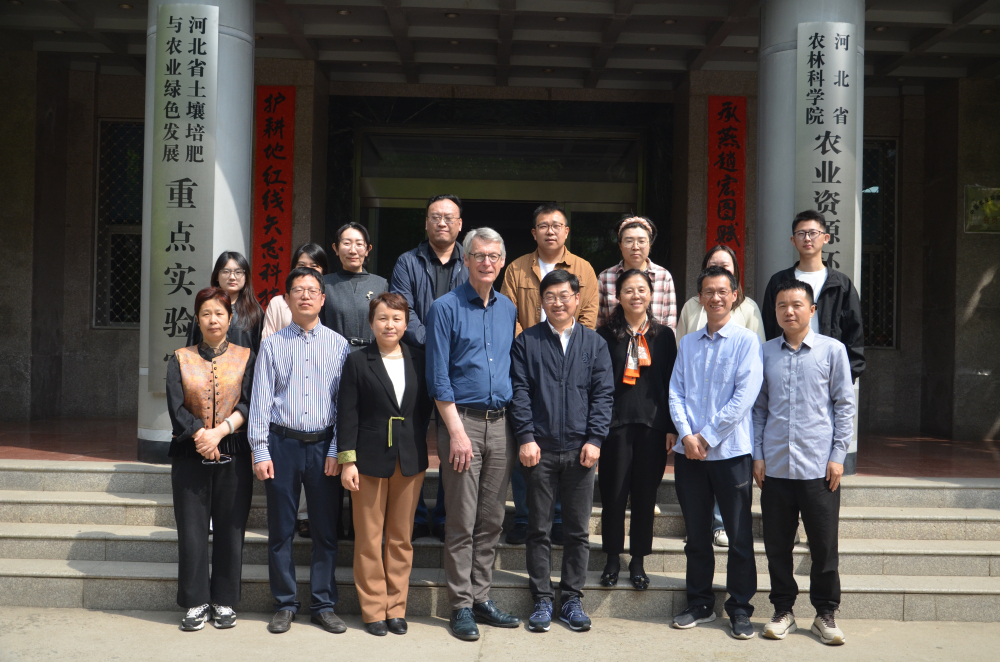
Through face-to-face exchanges, the symposium has broadened the international horizons of research staffs, reinforced partnerships with research institutions such as Aarhus University of Denmark and China Agricultural University, and provided clear direction for the next phase of work in the ongoing China-Europe international cooperation projects. This will undoubtedly propel China's research in the fields of agricultural waste resource utilization and climate change adaptation to new heights.
(Source from www.hebnky.com)